Italia Vino e Ocm Promozione, prorogata al 24 giugno la scadenza per presentare i progetti “nazionali” Così il Ministero dell’Agricoltura. La filiera chiedeva il 3 luglio, per le difficoltà nel definire i budget “nell’attuale contesto internazionale” Roma, 09.06.2026
Non Solo Vino Vino e agrifood, l’Italia accelera con investimenti pubblici record (16,8 miliardi di euro) Nuove politiche e filiera rafforzata spingono competitività e export. A dirlo, The European House - Ambrosetti Bormio, 09.06.2026
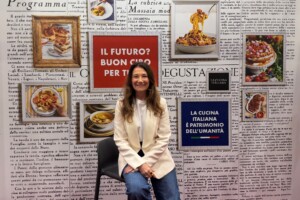
Non Solo Vino Identità Milano 2026: la cucina italiana, Patrimonio Unesco, come materia in tutte le scuole Riflessioni, da Paolo Marchi e Claudio Ceroni a Davide Rampello, da Maddalena Fossati e Antonino Cannavacciuolo a Massimo Recalcati e Davide Oldani Milano, 08.06.2026
Mondo Sostenibilità e futuro, tutto parte dal suolo. In vigna e non solo. La vision Lvmh “World Living Soils Forum”, il discorso di Antoine Arnault, nei giorni scorsi, in Francia. “Il climate change non si ferma davanti all’economia” Arles-en-Provence, 08.06.2026
Italia Garda Doc, il futuro tra basso grado naturale, “Crémant” e il racconto del territorio “Garda 360”
Italia Ieri, in prima serata su Rai 1 All’Arena di Verona in mondovisione il brindisi più grande di sempre all’Italia dei Patrimoni Unesco Verona, 06.06.2026
Italia Appuntamenti Tra tendenze e visioni del futuro torna “Identità Milano”, con i più grandi chef italiani e mondiali Dal 7 al 9 giugno un fitto programma di nomi ed eventi, dalla masterclass del Franciacorta (con Bellavista) alle “lectio magistralis” sul Parmigiano Milano, 05.06.2026
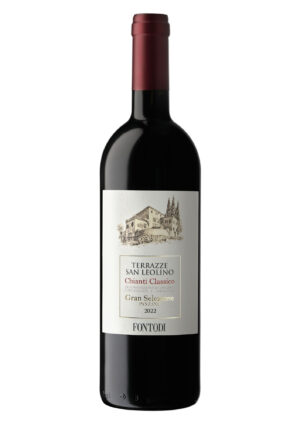
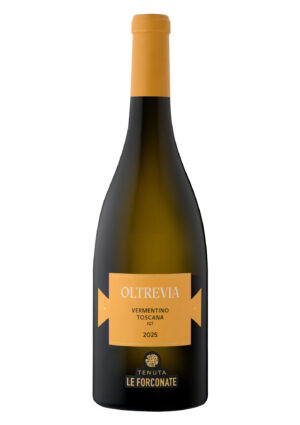
La Cantina di WineNews Fontodi, Docg Chianti Classico Gran Selezione Panzano Terrazze San Leolino 2022 05 Giugno 2026 Le Forconate, Toscana Igt Bianco Vermentino Oltrevia 2025 05 Giugno 2026
Italia Il vino italiano ? In difficoltà, non in crisi. Ma deve cambiare molto per tornare competitivo
Non Solo Vino Distretti agroalimentari italiani, cresce l’export. Il vino “flette”, ma resta leader I Dolci di Alba e Cuneo, i Vini di Langhe, Roero e Monferrato e l’Alimentare di Parma al top. Così il Monitor 2025 di Intesa Sanpaolo Torino, 04.06.2026
WineMeteo Veneto Negrar (VR) Temp: 24.25° Pioggia leggera Veneto Soave (VR) Temp: 28.53° Pioggia leggera Veneto Valdobbiadene (TV) Temp: 24.35° Pioggia leggera Friuli-Venezia Giulia Cormons (GO) Temp: 28.64° Nubi sparse Friuli-Venezia Giulia Manzano (UD) Temp: 28.61° Nubi sparse Emilia-Romagna Bertinoro (FC) Temp: 30.57° Poche nuvole Emilia-Romagna Modena (MO) Temp: 29.64° Nubi sparse Toscana Montalcino (SI) Temp: 27.14° Cielo sereno Toscana Montepulciano (SI) Temp: 27.58° Cielo sereno Toscana Scansano (GR) Temp: 26.9° Cielo sereno Toscana Suvereto (LI) Temp: 28.15° Poche nuvole Marche Jesi (AN) Temp: 29.69° Nubi sparse Marche Offida (AP) Temp: 28.31° Nubi sparse Umbria Montefalco (PG) Temp: 27.68° Cielo sereno Umbria Orvieto (TR) Temp: 29.83° Cielo sereno Umbria Torgiano (PG) Temp: 30.6° Cielo sereno Lazio Frascati (RM) Temp: 28.17° Cielo sereno Lazio Montefiascone (VT) Temp: 26.84° Cielo sereno Abruzzo Chieti (CH) Temp: 28.9° Poche nuvole Molise Campomarino (CB) Temp: 29.07° Pioggia leggera Campania Taurasi (AV) Temp: 29.57° Cielo sereno Campania Tufo (AV) Temp: 29.95° Cielo sereno Puglia Manduria (TA) Temp: 29.76° Cielo sereno Basilicata Barile (PZ) Temp: 27.16° Nubi sparse Calabria Cirò (KR) Temp: 28.37° Poche nuvole Sicilia Marsala (TP) Temp: 24.28° Cielo sereno Sicilia Menfi (AG) Temp: 31.81° Cielo sereno Sicilia Pantelleria (TP) Temp: 24.67° Cielo sereno Sardegna Alghero (SS) Temp: 24.65° Cielo sereno Sardegna Cagliari (CA) Temp: 28.25° Cielo sereno Valle d'Aosta Aosta (AO) Temp: 18.39° Pioggia leggera Piemonte Barbaresco (CN) Temp: 26.53° Cielo coperto Piemonte Barolo (CN) Temp: 26.41° Nubi sparse Lombardia Erbusco (BS) Temp: 25.34° Pioggia leggera Lombardia Sondrio (SO) Temp: 24.92° Pioggia leggera Trentino-Alto Adige Bolzano (BZ) Temp: 25.61° Pioggia leggera Trentino-Alto Adige Lavis (TN) Temp: 24.41° Pioggia leggera Trentino-Alto Adige Mezzocorona (TN) Temp: 24.76° Pioggia leggera Veneto Bardolino (VR) Temp: 27.8° Pioggia leggera
“Il futuro dell’Italia è nell’arte e nell’economia dell’ospitalità. Tra agricoltura, cucina e vino” A WineNews, da “Identità Golose”, Davide Rampello, direttore artistico e curatore di istituzioni e grandi eventi nazionali ed internazionali
L'Intervista Paesaggi rurali, se l’Unesco riconosce il “valore universale”, la Fao “considera quello agricolo”
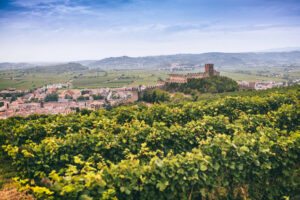
L'Intervista Soave, “dopo le Mga, un ulteriore percorso di distinzione e valorizzazione territoriale”
L'Intervista “Un grande brindisi nazionale, dall’Arena di Verona alle case d’Italia: celebriamo la convivialità”
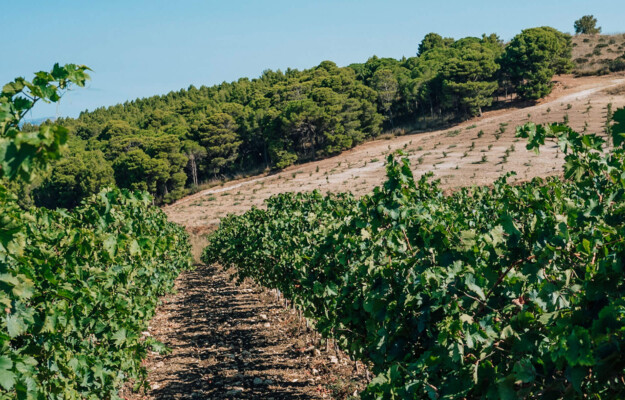
Biodinamica, non un modo di produrre, ma di vivere l’azienda, che conquista anche il vino Da “Cambium viticoltura”, nei giorni scorsi a Serra Ferdinandea (Planeta) in Sicilia, le riflessioni di agronomi e produttori
L'Intervista “I giovani prendono la parola, anche sui social, e usano nuovi modi di comunicare il cibo”
L'Intervista “In Italia il cibo è cultura, è convivialità, è stare insieme: è uno stile di vita raro altrove”
“Il brindisi più grande del mondo all’Arena di Verona nella campagna istituzionale per il vino” A WineNews, il Ministro dell’Agricoltura, Francesco Lollobrigida, sulla “Fase 2” del progetto, con il clou il 5 giugno in Rai e in mondovisione
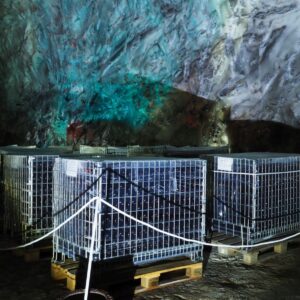
Italia Dal mare alle miniere, il vino continua a sperimentare nuovi luoghi di affinamento oltre la cantina Si chiama “Sotto Sale”, il nuovo Metodo Classico di Tenuta San Giaime, affinato in una miniera di salgemma nelle Alte Madonie in Sicilia Raffo, 08.06.2026
Italia Il vino diventa luce, immagine e movimento nell’installazione site-specific “L’Anima dell’Amarone”
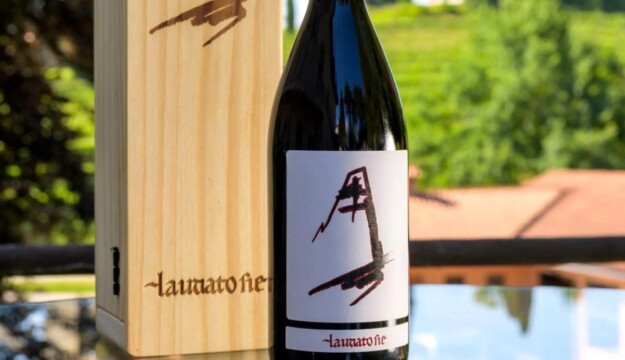
Italia Nasce nel Collio il vino ufficiale della Santa Sede: Laudato Sie della Fondazione Villa Russiz Il Cardinale Fabio Baggio: “una prima produzione ancora non possibile al Borgo Laudato Si’, ma che è possibile in Friuli con questo gemellaggio” Capriva del Friuli, 07.06.2026
Italia L’agenda WineNews Il Morellino di Scansano e il Chianti al mare brindano all’estate, sfatando il tabù del vino rosso Ecco gli eventi: il Lugana e i Vignaioli Fivi a Bologna, l’“Altemasi Week” a Firenze, “Buono e Bio in Festa” a Roma e “Merano WineFestival Calabria” Scansano, 05.06.2026
Italia Vitigni & vini Di Fliederhof e Ansitz Waldgries le migliori Schiava dell’Alto Adige per la “Vernatsch Cup” 2026 Lana, 04.06.2026
Italia Dall’Allodola alla Passera d’Italia, quando le cantine italiane diventano rifugi per gli uccelli Tra le case history, il progetto Avifauna ha censito ben 70 specie di cui 9 di interesse conservazionistico tra i vigneti di Col d’Orcia a Montalcino Montalcino, 03.06.2026
Italia Amaro Averna e Zedda Piras da Campari a Disaronno Group: perfezionato il closing dell’operazione Il Gruppo, che include anche i marchi enoici Duca di Salaparuta, Florio e Corvo, prosegue la sua espansione, mentre il colosso milanese le cessioni Saronno, 03.06.2026
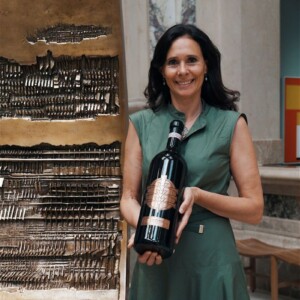
Italia “Carapace Centenario”: il Sagrantino di Montefalco per i 100 anni dalla nascita di Arnaldo Pomodoro Prodotto in 100 jeroboam da Tenute Lunelli, rinnova il legame tra la famiglia Lunelli e la Fondazione del maestro, autore della prima cantina-scultura Bevagna, 03.06.2026
Italia Il linguaggio universale dell’accoglienza trasforma l’enoturista in ambasciatore del territorio
Italia Mecenati del vino: Antinori acquisisce l’opera “Sampling the Vineyard” dell’artista Armin Linke
Italia “Profanare” il vino per renderlo meno formale e inserirlo nel contesto delle esperienze giovanili Idee e progetti per il “ricambio generazionale” nei consumi, raccolti da Assoenologi tra le cantine che “studiano” come conquistare la Gen Z Conegliano, 01.06.2026
Italia Per gli enologi “Personaggio dell’Anno” 2026 è il Ministro dell’Agricoltura Francesco Lollobrigida Premi speciali a Matteo Zoppas, presidente Ice, Federico Bricolo, presidente Veronafiere, ed al direttore WineNews, Alessandro Regoli, tra gli altri Conegliano, 29.05.2026
Italia I “monasteri del vino”, i luoghi dell’anima del vino italiano, custodi di valori spesso dimenticati Il rispetto per la natura ed il lavoro, l’accoglienza, il piacere dell’opera compiuta. Lo raccontano i frati-vignerons a “Vini d’Abbazia” a Fossanova Priverno, 31.05.2026
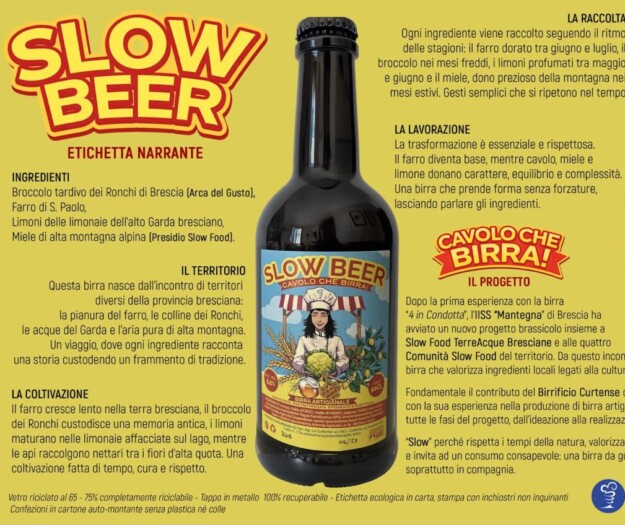
Italia “Regina Ribelle - Vernaccia di San Gimignano Wine Fest” nella “Manhattan del Medioevo” & non solo Eventi: “Franciacorta Week” in Versilia, le migliori birre per Slow Food a Brescia, “Eroica Montalcino” e il Pinot Grigio che brinda alla Maglia Rosa San Gimignano, 28.05.2026
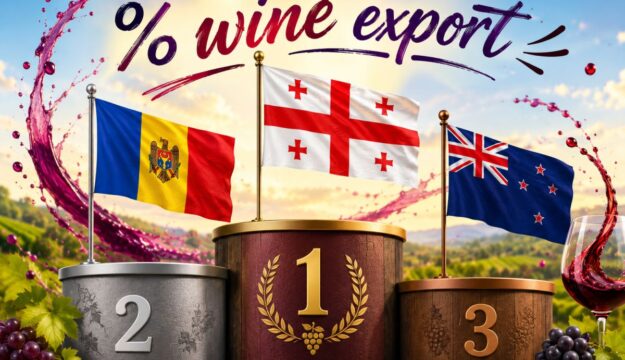
Mondo Georgia, Moldova e Nuova Zelanda: i Paesi in cui il vino incide di più sul totale delle esportazioni I dati delle Nazioni Unite elaborati dall’American Association of Wine Economists. In Francia l’export enoico vale l’1,9% del totale, in Italia l’1,3% New York, 09.06.2026
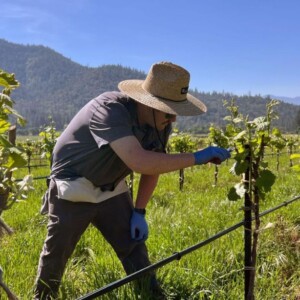
Mondo Batteri e funghi benefici “alleati” del vino: nuove speranze contro le malattie della vite Uno studio dell’Università dell’Oregon individua agenti naturali capaci di difendere i vigneti e ridurre i danni al legno anche a basse temperature Corvallis, 04.06.2026
Mondo “Mergers and Acquistions” Prove di partnership tra Pommery ed Henkell per dare vita ad un gigante mondiale delle bollicine Reims, 04.06.2026
Mondo La curiosità Georgia, aperta la cantina di Stalin: 40.000 bottiglie all’asta per finanziare una scuola enologica Tbilisi, 01.06.2026
Mondo Sfruttare le potenzialità dei mercati emergenti: il progetto “Wines Experience” fa tappa in Vietnam Sono attesi 60 espositori per il progetto targato Bolognafiere: obiettivo, promuovere il vino italiano e massimizzare le occasioni di business Ho Chi Minh City, 28.05.2026
Mondo Vino italiano, l’export extra-Ue in sofferenza nel primo trimestre 2026, ma in miglioramento I dati dell’Osservatorio Uiv. Valori vicini ad 1 miliardo di euro. A calmierare la perdita sono i mercati “promettenti” 27.05.2026
Mondo Bollicine, consumi verso 69 miliardi di dollari nel 2032, spinti da “premiumizzazione” e socialità
Mondo Il vigneto francese perde valore nel 2025: 171.400 euro all’ettaro (-2,9%), crolla Bordeaux Il report by Safer: giù le valutazioni per Pauillac (-32%) e Margaux (-43%), tiene la Champagne (+0,9%), cresce la Borgogna (+3,9%) Bordeaux, 22.05.2026
Mondo Il Regno Unito nel 2025 ha prodotto la sua seconda vendemmia più grande di sempre: boom dei bianchi I dati della Food Standards Agency (Fsa): produzione totale in aumento del 55% sul 2024, pari a 16,5 milioni di bottiglie di vino Londra, 21.05.2026
Mondo La competizione internazionale Iswc 2026, l’Italia trainata da Amarone, Valpolicella Ripasso e Prosecco conquista 14 medaglie d’oro Londra, 20.05.2026
Mondo Collabs Lo Champagne ispira una performance di Tilda Swinton al Museo Guggenheim di Bilbao Dom Pérignon ha svelato “House of Gestures” by Olivier Saillard, nuovo capitolo dell’impegno dell’iconica maison verso la creazione Bilbao, 20.05.2026
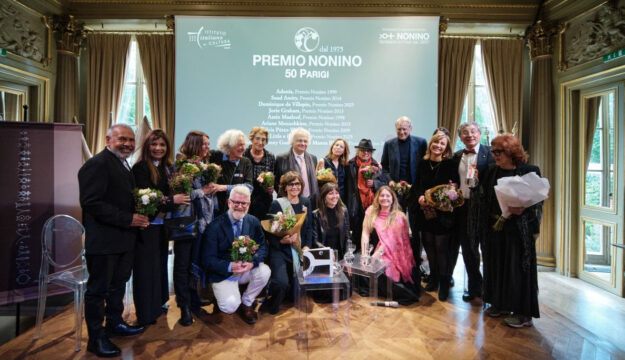
Non Solo Vino A Parigi (Hôtel de Gallifet, Istituto Italiano di Cultura) i 50 anni del Premio Nonino Tra i più prestigiosi al mondo, trasmette la più antica definizione di cultura, quella degli antichi Romani: coltivare la terra e coltivare l’anima Parigi, 20.05.2026
Mondo Guida Michelin, ecco le “Mindful Voices”: chef, albergatori e produttori di vino d’ispirazione Al via il nuovo progetto editoriale della “Rossa”. Che interrompe invece la “Stella Verde”, riconoscimento nato per premiare la sostenibilità Clermont-Ferrand, 19.05.2026
Mondo Tra Cina e Brasile, è positivo il sentiment per il vino italiano, in tour con Vinitaly e Veronafiere
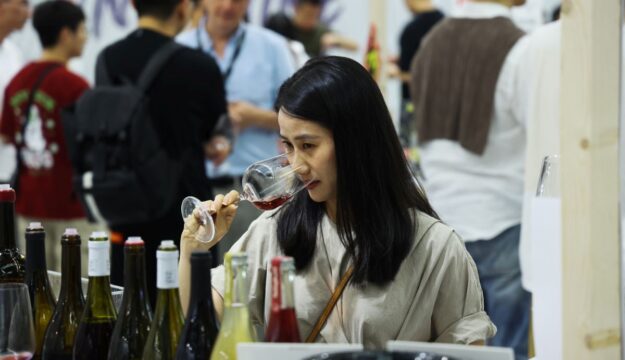
Mondo L’Italia del vino in Asia tra promozione e opportunità, con “Wine To Asia” n. 4 e Vinitaly Con gli interventi di Federico Bricolo (Veronafiere), Matteo Zoppas (Ita-Italian Trade Agency) e dell’Ambasciatore d’Italia in Cina Massimo Ambrosetti Shenzhen, 15.05.2026
Mondo Lifestyle made in Italy Con le 1000 Miglia a Zurigo e sulle spiagge di Miami, il “Festival Franciacorta” va nel mondo Dopo Vienna e con tappe anche a Lugano e Monaco, il Consorzio “esporta” non solo le bollicine, ma anche il suo format di di “racconto territoriale” Lugano, 15.05.2026
Mondo Mercato In Francia la Famille Perrin (Château de Beaucastel) investe nel settore no alcol con Alain Milliat Orleans, 13.05.2026
Mondo Varietà e moderazione: il 57% dei consumatori nel mondo preferisce bere il vino al calice Le ricerche di Coravin svelano una tendenza sempre più forte tra i wine lovers: “ristoranti ed enoteche più lungimiranti stanno indicando la strada” Beford, 13.05.2026
Mondo Ristrutturazione dei vigneti estirpati, un fondo da 20 milioni di euro in aiuto di Bordeaux Il programma lanciato dal Governo francese prevede l’acquisizione delle vigne estirpate e delle scorte di vino annesse a questi appezzamenti Bordeaux, 12.05.2026
Mondo L’evento La Cina ospiterà il “Congresso Mondiale della Vite e del Vino” n. 47 e l’Assemblea Oiv n. 24 Definire nuovi paradigmi per il settore vitivinicolo mondiale è il tema di cui si parlerà dal 12 al 16 ottobre 2026 a Yinchuan Yinchuan, 11.05.2026
Mondo Lo scenario Dazi Usa, ancora caos: dopo quelli “Ieepa”, i tribunali americani bocciano anche quelli “globali” Lamberto Frescobaldi (Unione Italiana Vini - Uiv): “minacce e bocciature generano incertezza. Per le imprese è un danno che si aggiunge al danno” Washington Dc, 08.05.2026
Mondo Vino, birra, alcol e rischio cancro: la campagna shock della città di New York Il Dipartimento della Salute della città più popolosa e famosa degli Usa: “i newyorkesi conoscano la verità sul legame tra consumo di alcol e cancro” New York, 06.05.2026
Mondo Prosecco, Crémant e dealcolati mantengono stabile il fatturato 2025 di Henkell Freixenet (+0,5%) A controbilanciare il calo dei vini fermi, le bollicine (ma non il Cava) e gli “alcohol free”. Mionetto il marchio di Prosecco più venduto al mondo Barcellona, 05.05.2026
Non Solo Vino Aspettando l’esame di Maturità, 3 studenti su 4 “mangiano dolce” per aiutare la concentrazione Indagine AstraRicerche per Unione Italiana Food: lo spuntino preferito? Le merendine (50%), seguite dalla frutta fresca e dallo yogurt Roma, 09.06.2026
Non Solo Vino Fake news a tavola, italiani promossi, ma con riserva, dall’Istituto Superiore di Sanità Secondo un sondaggio, l’interesse crescente per il cibo si accompagna ad una difficoltà nel filtrare contenuti non verificati, amplificati dai social Roma, 09.06.2026
Non Solo Vino Nasce un’alleanza tra le città italiane impegnate nella “food policy” per lavorare insieme La capacità produttiva di cibo nelle aree interne c’è, ma manca una domanda pubblica strutturata capace di valorizzarla per i cittadini Roma, 09.06.2026
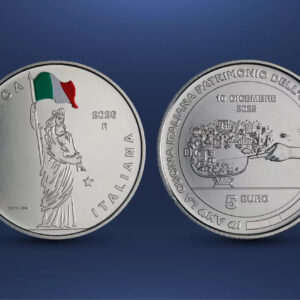
Non Solo Vino Dalla tavola alla numismatica: nasce la moneta della “Cucina Italiana Patrimonio Unesco” Un’emissione straordinaria, voluta dal Ministero dell’Economia e coniata dalla Zecca, per celebrare un simbolo dell’identità italiana Roma, 08.06.2026
Non Solo Vino Viaggi Estate 2026, arriva la “Soul-stay”, la vacanza dell’anima che mette al centro il benessere interiore Un trend che nasce dallo scenario internazionale segnato da tensioni e incertezze. L’Italia torna al primo posto. Lo rivela l’Osservatorio Emma Villas Siena, 08.06.2026
Non Solo Vino Riconoscimenti É la Finlandia a vincere il “World Tuna Competition”, evento clou del “Girotonno” 2026, a Carloforte L’Italia si piazza al secondo posto, terzo il Giappone. L’evento (edizione n. 23) trasforma l’Isola di San Pietro nella capitale mondiale del tonno Carloforte, 08.06.2026
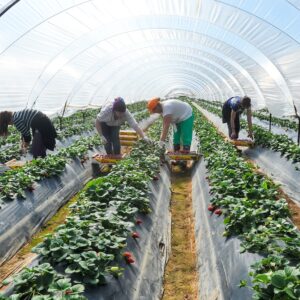
Non Solo Vino Caporalato: non un’eccezione, ma conseguenza di un sistema che non è né buono, né pulito, né giusto Da “Buono e Bio in festa” promosso da Slow Food, FederBio e Roma Capitale rimarcata la necessità di costruire sistemi alimentari equi e sostenibili Roma, 08.06.2026
Non Solo Vino Agea, oltre 10 miliardi erogati al settore agricolo e agroalimentare nel 2025 (+24,8% sul 2024)
Non Solo Vino Caporalato: “servono nuovi strumenti per trasporti e alloggi dei lavoratori e meno burocrazia” La Cia-Agricoltori Italiani propone di trasformare la “Rete del lavoro agricolo di qualità” da “bollino” reputazionale a cabina di regia territoriale Roma, 05.06.2026
Non Solo Vino Il 7 giugno L’insicurezza alimentare provoca, ogni anno, 1,5 milioni di morti nel mondo L’allarme Oms per la “Giornata Mondiale della Sicurezza Alimentare”: il cibo contaminato è la causa principale ed i bambini sono i più colpiti Ginevra, 05.06.2026
Non Solo Vino Made in Italy Olio italiano, quotazioni in calo e notevoli difficoltà di collocazione del prodotto Confagricoltura, Unapol e Assofrantoi: “attivare tavolo di confronto con Gdo, piano di comunicazione e più sostegno al credito. Il tempo è decisivo” Roma, 05.06.2026
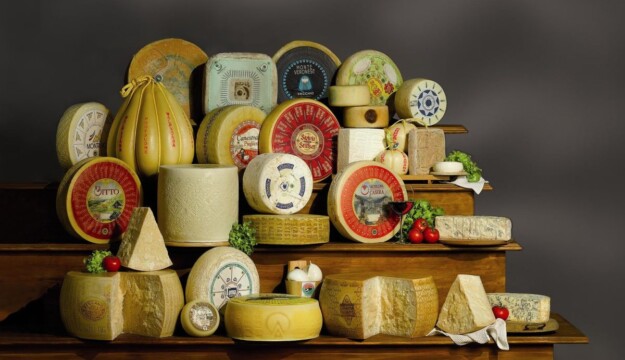
Non Solo Vino Formaggi italiani Dop e Igp, l’export supera 3,3 miliardi di euro nel 2025, ma frenano i dazi Usa I numeri Afidop: con una crescita vicina al 10% in valore e del 2,2% in volume, ed una produzione che ha superato le 625.000 tonnellate (+4%) Milano, 05.06.2026
Non Solo Vino I consorzi dei prodotti Dop e Igp diventano ancora più forti, moderni e protagonisti Approvato il Dm Consorzi che possono regolare l’offerta, promuovere il turismo e tutelare più Indicazioni Geografiche, anche di filiere differenti Roma, 04.06.2026
Non Solo Vino Creatività, cultura, bellezza e capacità manifatturiera: se l’Italia punta sul “Patriottismo dolce”
Non Solo Vino Uova, boom nei consumi: nel 2025 +15% in valore e +7,4% in volume negli acquisti degli italiani Ismea: una performance senza precedenti, con 789.000 tonnellate prodotte, 230 uova consumate pro capite l’anno, e la crescita della qualità e del bio Roma, 04.06.2026
Non Solo Vino Attualità Braccianti bruciati vivi in Calabria, Libera: “l’ennesima tragedia annunciata” Coldiretti: “continuare a rafforzare l’azione di controllo e contrasto al caporalato”. Il Ministro Lollobrigida: “è contro la nostra morale” Amendolara, 03.06.2026
Non Solo Vino Biblioteca enogastronomica Da “Buono, pulito e giusto” a “Terrafutura”: l’eredità di Carlin Petrini vive anche nei suoi libri Bra, 03.06.2026
Non Solo Vino L’Osservatorio Dieta Mediterranea lancia il “menù della Dieta Mediterranea” nei ristoranti italiani Sviluppato con Crea e Università Vanvitelli, tutti i ristoratori possono proporlo, perché la sana alimentazione sia una pratica quotidiana e culturale Caserta, 03.06.2026
Non Solo Vino Ponte 2 del giugno, 1 italiano su 2 è in vacanza, e il cibo si conferma la prima voce di spesa
Non Solo Vino Consumi Bevande analcoliche, gli italiani sempre più “light” tra gusto, benessere e nuove tendenze Indagine AstraRicerche per Assobibe: 6 consumatori su 10 scelgono low-zero zuccheri. I più giovani trainano la svolta al bar Roma, 29.05.2026
Non Solo Vino Attualità In Italia gli occupati con età media più alta sono in agricoltura, i più giovani nella ristorazione Roma, 29.05.2026